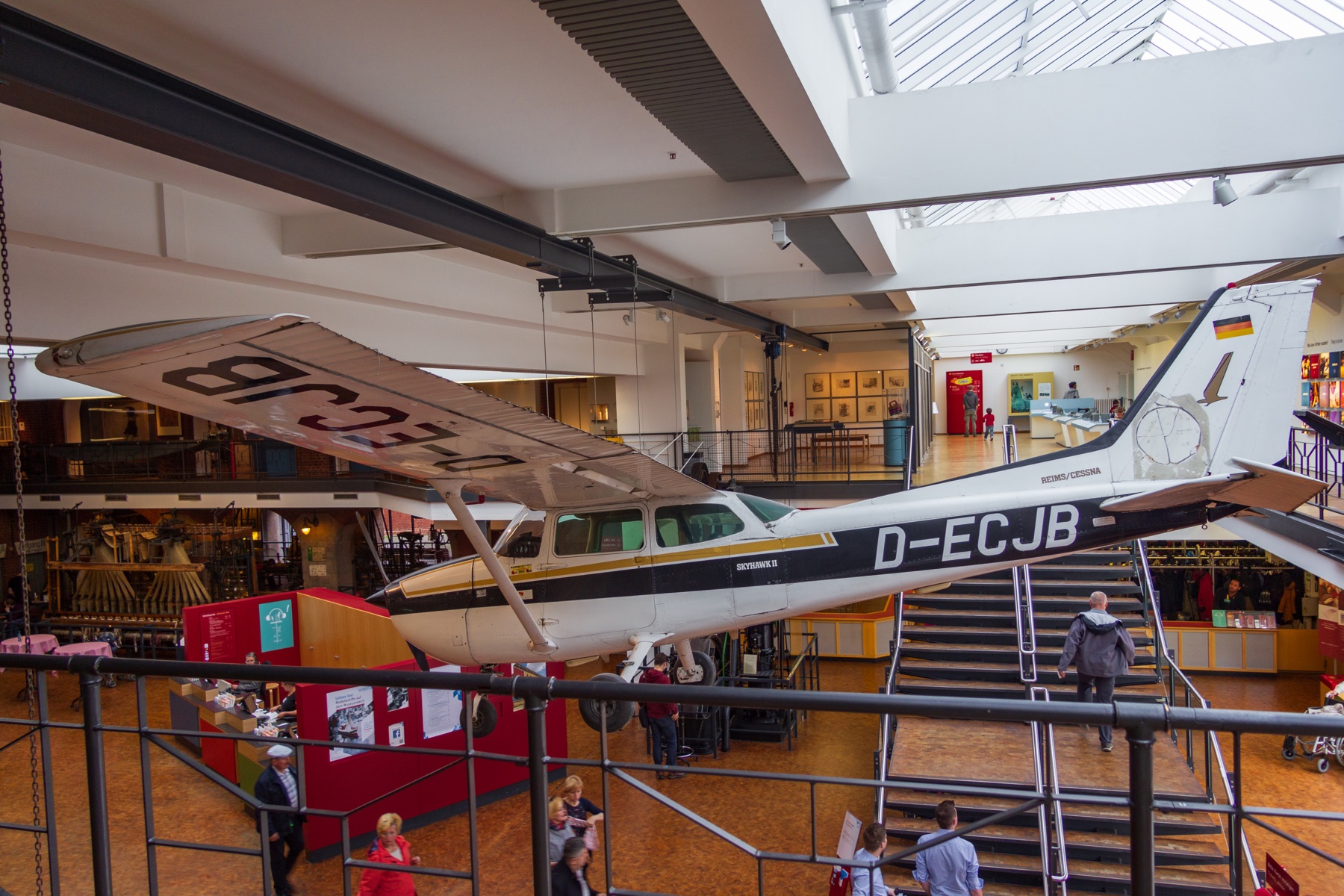
On Thursday, 28 May 1987, one of the world's most heavily defended capitals received an unexpected visitor. He was eighteen years old. He arrived in a rented Cessna.
Moscow receives an unscheduled flight
Mathias Rust was a young West German amateur pilot who had earned his private licence only the previous year.
On 28 May 1987, he took off from Helsinki in a rented Cessna 172.
His filed plans did not include Moscow.
Rust turned east, crossed into Soviet airspace without authorization and continued toward the capital. Soviet air-defence systems detected and tracked the aircraft at various stages, but a succession of identification problems, communication failures and command uncertainty allowed the small plane to continue.
This was not an obscure border.
The Soviet Union maintained one of the world's most formidable air-defence networks, built partly around the expectation that aircraft entering from the West might represent something considerably more dangerous than a teenager in a four-seat propeller plane.
Rust reached Moscow anyway.
He circled near the Kremlin looking for somewhere to land. Red Square itself was crowded, so he put the Cessna down on the nearby Bolshoy Moskvoretsky Bridge and taxied toward St Basil's Cathedral, stopping beside Red Square.
People gathered around.
Then the authorities did.
Rust later explained that he imagined his flight as a symbolic peace gesture — an “imaginary bridge” between East and West during the Cold War.
The Soviet leadership viewed the air-defence implications rather less romantically.
The breach exposed serious weaknesses in a system that was supposed to protect Soviet airspace and Moscow itself. Two days later, Mikhail Gorbachev dismissed Defence Minister Sergei Sokolov and the head of the Soviet Air Defence Forces, Alexander Koldunov.
Rust was arrested, tried and sentenced to four years' imprisonment. He ultimately served 432 days before being released and returned to West Germany.
His Cessna survived too.
It is now preserved in Berlin's Deutsches Technikmuseum — the physical remains of the day an amateur pilot discovered that the Iron Curtain had an aviation problem.
A teenager in a rented light aircraft penetrated Soviet airspace deeply enough to find parking near the Kremlin.
The Soviet Union built an air-defence system for the Cold War. Mathias Rust arrived with a Cessna.
Evidence status
Sources
Institutional / Museum
Bundeswehr Military History Museum — exhibition documentation of Rust's Cessna and the 28 May 1987 landing near Red Square
NATO History — Rust flight and effect on Soviet military leadership
Original language: German / EnglishMuseum / Historical
Original language: EnglishGerman-language historical reporting
NDR — chronology of Rust's flight, imprisonment and later release
Original language: GermanContemporary / First-person
Later interview with Rust describing his intended symbolic “bridge” between East and West
Original language: German / English